8 معلومات عن علاج السلوك المعرفي
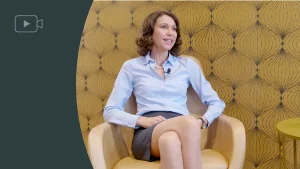
CBT, or Cognitive Behavioural Therapy, is a common form of psychotherapy that’s used to treat many problems and is the basis of many more complex forms of therapy. Dr. med. Konrad Hitz, Operational Medical Director at The Kusnacht Practice, discusses how CBT works, what it can be used to treat and more. Dr. med. Konrad Hitz has worked at the Psychiatric University Hospital of Zurich as well as a private Psychiatric Clinic in Graubünden, Switzerland. These roles helped further his skills using CBT to assist patients with a variety of problems, from PTSD to eating disorders. His learnings were used to form the basis of many treatments at The Kusnacht Practice.
How does Cognitive Therapy work? What does a meeting look like?
Konrad Hitz: CBT is effective form of psychotherapy that aims to change dysfunctional cognitions and behaviour that one suffers from, and replace it with healthier alternatives. CBT sessions are usually held in a one-on-one setting. Depending on the content, sessions can also take place outside of a therapy room. For example, to treat anxiety relating to a fear of heights, you might explore this in real-life surroundings or virtual reality.
What can CBT be used to treat? Depression, anxiety, PTSD? What has Cognitive Therapy been especially useful in treating?
KH: CBT is very well researched and can be used in numerous psychological diseases. It works exceptionally well in depression, anxiety and there are different CBT approaches to treat PTSD with outstanding results like Prolonged Exposure and EMDR. CBT is also useful in treating eating disorders.
Are there any cases when Cognitive Therapy is non-effective?
KH: The psychotherapeutic method a therapist applies treatment of a particular client always has to be known to be effective in treating the disease the client suffers from. It needs to be suitable for and accepted by the client. The therapist has the best treatment outcome when they are convinced of the treatment method and well trained in applying it. Any form of psychotherapy can fail.
What is the difference between psychotherapy and Cognitive Therapy?
KH: CBT is a specific form of psychotherapy, where the cognition and behaviour of individual are paid particular interest and attention in treating a psychological disease.
Why does Cognitive Behavioural Therapy work best short term?
KH: I do not necessarily agree that it works best short term only. For example, treatment of anxiety, a big part of the suffering of individual might not be the anxiety as such. However, the avoidance strategies applied by the client in order not to become anxious may create more significant suffering and social consequences than the anxiety itself. CBT tackles the avoidance of cognitive and behavioural strategies and has the potential to get the individual back to their prior state, enjoying life.
At what point should a person go and see a therapist?
KH: It does not hurt to go out and seek support if one comes across a change in one’s joy, level of activity, quality of sleep or increase of anxiety. Seeing a therapist does not mean you enter the realm of therapy – it can be a reassuring experience to get feedback from a specialist and discuss the actual situation and treatment options.
Why is the first step always so hard? How can we get motivated to start going to therapy?
KH: Change, even for the better, needs effort and commitment that can be hard to bring up, especially when you are already low in mood or anxious. Part of a mental health issue can be the lack of self-esteem or seeing one’s future in a negative, pessimistic light. Also, there may be the shame of admitting that something has changed. And don’t forget, very often with psychological diseases, it feels like it’s our fault and we instead tend to hide rather than seek out help.
During a session, do you set goals for the future? Does a person learn problem-solving techniques?
KH: Of course – the individual is supported in defining goals, shaping those goals and putting them into practice. Problem-solving techniques are rediscovered as a part of resource activation and more.
Thank you very much Dr. med. Konrad Hitz
KH: Thank you, and please send in any other questions you may have
العلاج السلوكي المعرفي هو شكل شائع من أشكال العلاج النفسي يستخدم لعلاج العديد من المشكلات النفسية، وهو أحد أشكال العلاج الأكثر تعقيدًا. دكتور ميد كونراد هيتس وهو المدير الطبي التشغيلي في مركز كوشناخت، يتحدث عن كيفية عمل العلاج المعرفي السلوكي، وما الذي يمكن استخدامه للعلاج. عمل دكتور ميد كونراد هيتس في مستشفى جامعة الطب النفسي في زيورخ، وكذلك في عيادة الطب النفسي الخاصة في غراوبوندن بسويسرا. ساعدت هذه المناصب على تعزيز مهاراته باستخدام العلاج المعرفي السلوكي لمساعدة المرضى الذين يعانون من مجموعة متنوعة من المشكلات، من اضطراب ما بعد الصدمة إلى اضطرابات الأكل. حيث استخدام ما تعلمه لابتكار العديد من العلاجات في مركز كوشناخت.
كيف يعمل العلاج المعرفي؟ وكيف تبدو الجلسات؟
يعرف كونراد هيتس العلاج المعرفي السلوكي على أنه شكل فعال من أشكال العلاج النفسي الذي يهدف إلى تغيير الإدراك والسلوك المختل الذي يعاني منه المرء، واستبداله ببدائل صحية. تُعقد جلسات العلاج المعرفي السلوكي في مكان واحد في الغالب، ولكن يرجع ذلك إلى نوع المشكلة وطبيعتها. كما يمكن إجراء الجلسات خارج غرفة العلاج أيضًا. على سبيل المثال، لمعالجة القلق المتعلق بالخوف من المرتفعات، يمكن عقد جلسة العلاج في محيط من الحياة الواقعية أو الواقع الافتراضي.
ما هي الأمراض التي يمكن علاجها باستخدام العلاج المعرفي السلوكي "الاكتئاب أو القلق أو اضطراب ما بعد الصدمة"؟ ما هي طريقة العلاج المعرفي الذي كان مفيدًا بشكل خاص في العلاج؟
مركز كوشناخت: تم إجراء بحث جيد عن العلاج المعرفي السلوكي وقياس مدى قدرته في علاج العديد من الأمراض النفسية. وقد وجد إنه فعال في علاج حالات الاكتئاب والقلق، وهناك طرق مختلفة للعلاج المعرفي السلوكي، والتي تعطي نتائج رائعة في علاج اضطراب ما بعد الصدمة. مثل إعادة معالجة حساسية حركة العين (EMDR). كما أنه مفيد في علاج اضطرابات الأكل أيضًا.
هل هناك حالات يكون فيها العلاج المعرفي غير فعال؟
مركز كوشناخت: يطبق المعالج النفسي طريقة علاج مجربة من قبل وذات فاعلية ومضمونة قبل استخدامها في علاج مشكلة ما يعاني منها العميل. والتي يجب أن تكون مناسبة ومقبولة من قبل العميل. يحصل المعالج على أفضل نتيجة علاجية عندما يقتنع بطريقة العلاج وعندما يكون مدرب على تطبيقها جيدًا. لكن من المؤكد أنه يمكن أن تفشل أي خطة للعلاج النفسي.
ما الفرق بين العلاج النفسي والعلاج المعرفي؟
مركز كوشناخت: يعتبر العلاج المعرفي أحد أشكال العلاج النفسي، حيث يكون الاهتمام الأكبر فيه هو تطوير إدراك سلوك الفرد في علاج المرض النفسي.
لماذا العلاج السلوكي المعرفي يعمل بشكل أفضل على المدى القصير؟
مركز كوشناخت: لا أوافق بالضرورة على أنه يعمل بشكل أفضل على المدى القصير فقط. على سبيل المثال في علاج القلق لا يكون القلق هو معاناة الفرد فقط، حيث قد تتسبب استراتيجيات التجنب التي يطبقها العميل حتى لا يشعر بالقلق في خلق معاناة وعواقب اجتماعية أكبر من مشكلة القلق نفسه. يساعد العلاج السلوكي المعرفي في إعادة الفرد إلى حالته السابقة والاستمتاع بالحياة مرة أخرى.
في أي مرحلة يجب أن يذهب الشخص لرؤية المعالج؟
مركز كوشناخت: ينصح بطلب الدعم إذا صادف المرء تغييرًا في الحالة النفسية له أو انخفاض مستوى نشاطه أو نمط النوم أو الشعور بالقلق بشكل زيادة. لا تعني رؤية المعالج أنك تحتاج للعلاج، فقد تكون تجربة مطمئنة للحصول على بعض الملاحظات من الطبيب ومناقشة الوضع الحالي ومناقشة خيارات العلاج.
لماذا تكون الخطوة الأولى دائما صعبة للغاية؟ كيف يمكننا التحفيز لبدء العلاج؟
مركز كوشناخت: يحتاج التغيير للأفضل إلى جهد والتزام، ويكون من الصعب التحدث عنه، وذلك خاصة عندما يكون مزاجك منخفضًا أو قلقًا. يمكن أن يكون عدم احترام الذات أو رؤية المستقبل من منظور سلبي متشائم جزءًا من مشكلة عقلية. في كثير من الأحيان مع الإصابة بالأمراض النفسية يشعر المريض بأن هذا خطأه، مما يجعله يميل إلى الاختباء بدلًا من طلب المساعدة.
أثناء الجلسة، هل تحدد أهدافًا للمستقبل؟ هل يتعلم الشخص تقنيات حل المشكلات؟
مركز كوشناخت: بالطبع يتم دعم الفرد في تحديد الأهداف وتشكيل تلك الأهداف ووضعها في قيد التنفيذ. يتم إعادة اكتشاف تقنيات حل المشكلات كجزء من تنشيط الموارد والمزيد.
شكرا جزيلًا لك دكتور ميد. كونراد هيتس.
مركز كوشناخت: شكرًا لك، ويرجى إرسال أي أسئلة أخرى لديك.