Drug Addiction - Prescription Medications
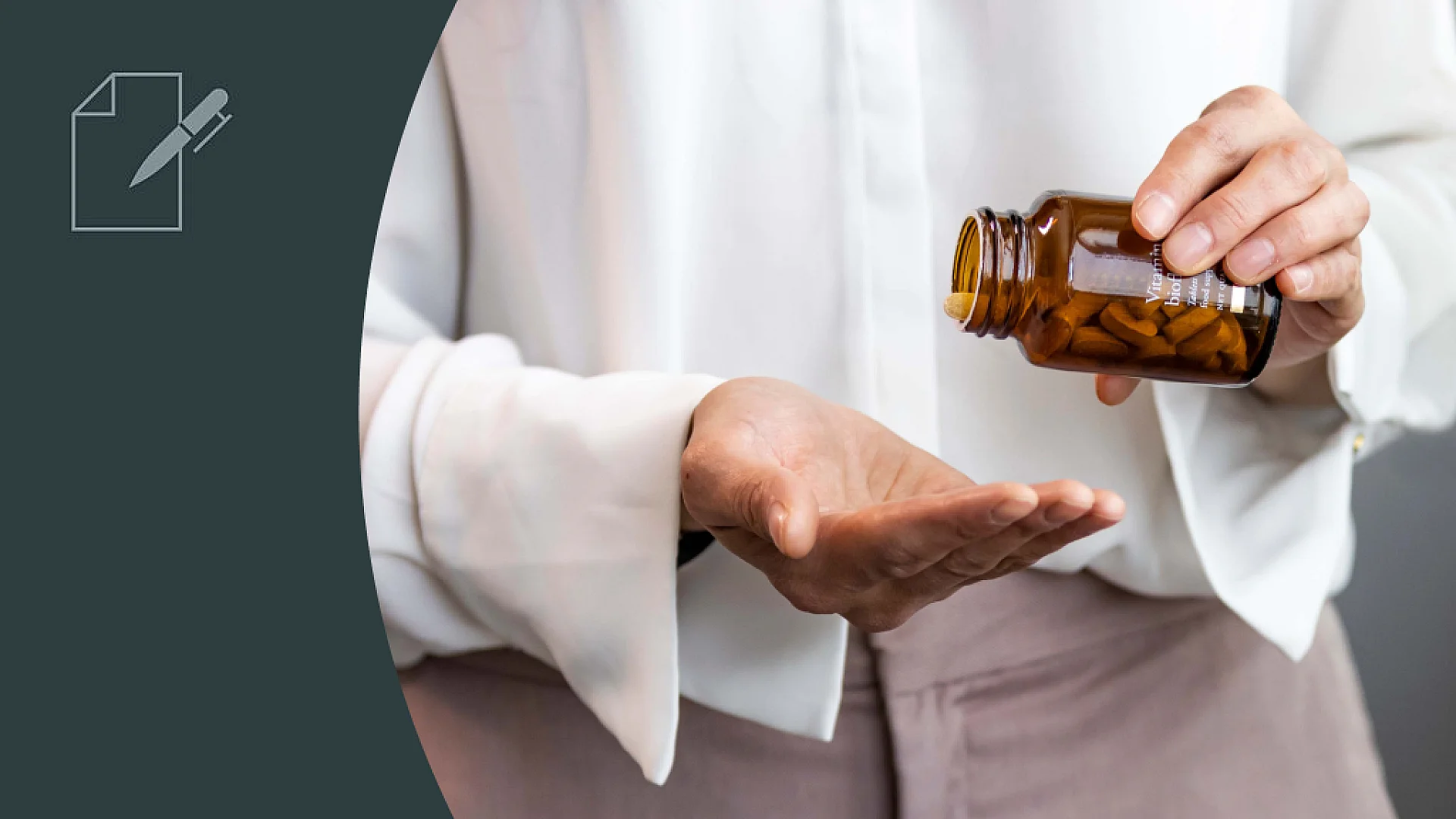
Prescribed medication abuse is the use of medication that is normally prescribed by a doctor in a way not prescribed by a doctor. For example, buying and using prescription medication illegally or using prescription medication more often or at a larger dose than your doctor suggests is prescription medication abuse.
We often have a specific, preconceived mental image of drug users, as people very unlike ourselves. Perhaps we imagine drug users as criminals or as inherently “bad” people. But doctor prescription medication users can be anyone- in particular, youth, older adults, and women are at risk. Our preconceived notions can often block us from asking for the support we need because we may feel stigmatized.
PRESCRIPTION DRUG STATISTICS WORLDWIDE
Prescription drug abuse has been on the rise globally for decades. While it is most well understood in Britain and the United States, many countries global south, including countries Gulf region, are suffering increasingly from prescription drug abuse.
PERCENT OF PERSONS USING PRESCRIPTION MEDICATION
Prescription drug use in and of itself is very common, and isn’t necessarily a bad thing. It is only when it becomes drug abuse that it becomes and issue. The following graph outlines the general percentage of prescription drug use trends United States by age and sex.
PRESCRIPTION ABUSE DEMOGRAPHICS
All kinds of people suffer from prescription drug abuse, but there are some patterns in demographics. The most common sufferers of prescription drug abuse tend to be youth, older adults, and more women than men. The most common group is young adults between 18 and 25.
PRESCRIPTION ABUSE BY AGE
While the most common age group to abuse prescription drugs, as cited above, is young adults between 18-25, there are some other notable age groups who struggle. Teens are in trouble- 6 percent of children ages 12 to 17 have taken prescription drugs for nonmedical use. Seniors are also at risk because of a higher prevalence of health conditions which require prescriptions that lead to abuse, and the sense of isolation often felt by the elderly.
MOST PRESCRIBED MEDICATION
There are many different types of prescribed medications that people abuse, but there are a few most commonly abused kinds. The first kind is pain medicine or painkillers, which can also be known as narcotics or opioids. These medicines help with pain control, but are dangerous in large quantities as they interact with opioid receptors on the brain nerve cells. The second is depressants, which slow down brain function to treat conditions like anxiety. The third is stimulants, which elevate blood pressure and heart rate. These can be used to treat ADHD or depression.
Some of the most commonly prescribed prescribed drugs that are abused are morphine, codeine, oxycodone, diazepam, and dextroamphetamine.
COMMONLY ABUSED PSYCHOTHERAPEUTIC PRESCRIPTIONS
Many people suffer from poor mental health these days, and take prescriptions to help. You might have heard of these common psychotherapeutic prescriptions that often get abused: Valium, Xanax, Ritalin, and Adderall.
HOW ARE PRESCRIPTION MEDICATIONS ABUSED?
Prescribed Medications are supposed to be taken - but way prescribed by your doctor. People abuse them by taking them in larger doses, more frequently, after their prescription ends, or for a non-medical purpose such as getting high or falling asleep more easily. It’s a slippery slope!
HOW COMMON IS PRESCRIPTION DRUG ABUSE?
Unfortunately, prescription drug abuse is very common. In fact, while other forms of drug abuse are declining, it is on the rise all over the world. In the US alone, it has reached epidemic levels, with 52 million Americans abusing prescribed medications at some point in their lives, and it is closing in on epidemic levels in Britain.
IS ABUSING PRESCRIBED MEDICATIONS ILLEGAL?
Prescribed medications are only legal if taken way your doctor intended and outlined to you. Taking them in any other way is illegal drug use. Not only are people suffering from abusing prescribed medications, but they might have to face a prison sentence as well.
STATISTICS ON HOW MANY PEOPLE'S DRUG ADDICTION STARTS WITH PRESCRIPTION MEDICINE.
There are many ways to get access to prescribed medications, but many people’s opioid addiction start with their own prescriptions. In fact, among opioids users, over 37% of the 10 million users USA in 2019 got or stole their prescription from a healthcare provider. Many addiction cases start as prescriptions that people build up a dependence on. There is much debate around the relative ease with which doctors prescribe these drugs.
WHAT DOES PRESCRIPTION DRUG ABUSE LEAD TO?
There are many negative effects to prescription drug abuse, some very severe. Every year, 50,000 people die from opioid overdose, which are responsible for 72% of overall drug deaths. Opioids fall into the category of painkillers, as prescribed drugs that people become addicted to. More negative effects include, lethargy, addiction, erratic behavior, self-injury, poverty, and more.
PRESCRIPTION DRUG ABUSE AND POOR JUDGMENT
Some of the symptoms of prescription drug abuse are mental-including poor judgment, erratic behavior, paranoia, and lack of sleep. People addicted to prescription drugs tend to make poor decisions, and may put themselves in dangerous situations to obtain drugs. Prescription drug abuse can easily destroy someone’s life.
PRESCRIPTION DRUGS STATISTICS
Prescription drug abuse is not only a problem west. People also suffer from prescription drug abuse all over the world. In Saudi Arabia, prescription opioids were found to be some of the most abused drugs. Tramadol, Pregabalin, Procylidin, and Carisoprodol were the most commonly abused.
PRESCRIPTION DRUG USE STATISTICS
In Saudi Arabia, the abuse of prescription drugs was more common among younger people than older people. 67.2% of opioid users were found to be under 30 years old.
SIGNS OF PRESCRIPTION MEDICATION ABUSE
It is concerning if you suspect someone you know is addicted to prescription drugs. Some signs you can look out for are confusion, drowsiness, poor movement or coordination, small pupils, slowed breathing, acting high or euphoric, and being generally unwell.
EFFECTS
Prescription drug abuse has devastating effects. Beyond taking a physical toll on a person, people who are addicted to prescription drugs suffer from serious mental health issues, including suicidal thoughts. The following graph outlines how many prescription drug abusers have suicidal thoughts vs. no suicidal thoughts. The percentage of those with suicidal thoughts is much higher.
REASONS
There are many reasons why people abuse prescription drugs. The following graph outlines some of the most common reasons:
As the graph shows, the most common reasons for prescription abuse are as a sleep aid, stress, or pain relief. Sometimes people are prescribed drugs for these reasons but overuse them or keep taking them after their prescription is over. Often people develop a tolerance for the drug and must take more to get the desired effect. This is a symptom of addiction.
OVERCOME THIS ADDICTION
Overcoming prescription drug abuse is very difficult, and takes a great toll on a family. Many patients need rehab, which is extremely expensive. Many patients take medication, or undergo therapy, or all three. Even after recovery, there is a danger of relapse. The following graph shows that 40-60% of all substance abusers experience relapse at some point in their life.
PRESCRIPTION ABUSE PREVENTION
To lower your risk of prescription drug abuse, you can take the following steps. First, always follow your doctor's instructions carefully. Never take your medication more often or at a different time. Talk to your children about medications they take, and let them know that they are dangerous to share with others. Finally, if you find yourself having any of the issues following graph, which are reasons people abuse prescription drugs, take extra care.
TYPES OF PRESCRIPTION MEDICATIONS
There are many different prescription drugs on the market, but there are four different types of prescription medications. These are pain relievers, tranquilizers, stimulants, and sedatives. People can form addictions to and misuse each and every one of these types.
Statistics on some of the most commonly abused prescription medications
OXYCONTIN ADDICTION STATISTICS
Oxycontin is a semi-synthetic opioid medication used to treat moderate to severe pain. It is highly addictive and widely abused.
HOW LONG DOES OXYCONTIN STAY IN YOUR SYSTEM?
A single dose of oxycontin stays working for 12 hours, but can be detected in your system for much longer than that. It can stay in your blood up to 24 hours, your urine up to four days, your saliva up to 48 hours and your hair up to 90 days. It is easy to detect in your system.
WHAT IS THE DIFFERENCE BETWEEN OXYCONTIN AND OXYCODONE?
Oxycontin and oxycodone are actually the same thing. Oxycontin is the brand name of the extended-release formula of oxycodone that is sold at the pharmacy.
WHO MAKES OXYCONTIN?
Oxycontin is made by a company called Purdue Pharma United States. Because of the addictive nature of oxycontin, this company has come under a lot of scrutiny for producing oxycontin and influencing the opioid epidemic United States.
WHAT IS OXYCONTIN USED FOR?
As prescribed, oxycontin is a long lasting narcotic designed to help manage chronic pain. It is meant for moderate to severe pain, and is slowly released body over a 12-24 hour period. Unfortunately, many people find it hard to stop taking oxycontin when they start, even if they start for medical reasons.
BENZODIAZEPINE ADDICTION
Benzodiazepine is a depressant used to treat conditions such as anxiety, insomnia, and seizures. Commonly known as “benzos”, these types of prescription drugs are successful at treating the conditions they are intended for, but are dangerously high number of people addicted to them. In the UK the Government NICE guidelines recommend prescribing of benzodiazepines only for short-term care and crisis situations – not to be used routinely for treatment, due to the adverse effects such as dependence and tolerance.
WHAT CAN SHOW UP AS BENZODIAZEPINE IN A URINE TEST?
Don’t panic if you’ve received a urine test result with benzodiazepine! Testing for this drug is hard because there are numerous other drugs that can show up as it in a urine panel. Medicines such as Tolmetin, Naproxen, Etodolac, Fenorprofin, Oxaprozin, and Sertraline can all create a false positive for benzodiazepine.
WHAT IS BENZODIAZEPINE USED FOR?
Benzodizepine suppresses the central nervous system. It has many uses. It can help patients sleep and relax. It is also used for sedation, calming muscle spasms, and treating anxiety.
HOW LONG DOES BENZODIAZEPINE STAY IN YOUR SYSTEM?
This is a question that’s impossible to answer generally. How long benzodiazepine stays in your system depends on a variety of factors, including your metabolism, weight, how much you took, and how you took it. It also highly depends on what type of benzodiazepine you took, be it slow or quick releasing. In general, it takes from 7 hours to 30 days for benzodiazepine to fully leave your system, with the average around 15 days.
WHAT IS AN AVERAGE BENZODIAZEPINE LEVEL?
The starting dose of benzodiazepine is 0.25-0.5 mg, 3 times a day as needed. This dose is highly variable depending on what is being treated and the person being treated.
WHAT MAKES BENZODIAZEPINES ADDICTIVE?
Benzodiadiazepine is so addictive because of what it does to your brain. Taking benzodiazepine triggers and increased release of dopamine-the hormone that makes us happy. But as the brain gets accustomed to this larger amount, it eventually “crashes”, and people need to take more to achieve the same feeling. It’s a vicious cycle, and withdrawal symptoms include paranoia and anxiety, exactly what benzodiazepines are meant to treat first place.
References
https://www.drugabuse.gov/sites/default/files/rxreportfinalprint.pdf
https://www.drugwatch.com/news/2015/08/10/worldwide-prescription-drug-abuse/
https://www.cdc.gov/nchs/products/databriefs/db334.htm
https://www.drugabuse.gov/sites/default/files/rxreportfinalprint.pdf
https://www.health.ny.gov/publications/1064/#:~:text=A%3A%20Although%20any%20prescription%20drug ,)%20and%20meperidine%20(Demerol
https://www.drugwatch.com/news/2015/08/10/worldwide-prescription-drug-abuse/
https://www.drugwatch.com/news/2015/07/29/drug-abuse-in-america/
https://www.addictiongroup.org/blog/addiction-statistics/
https://www.mayoclinic.org/diseases-conditions/prescription-drug-abuse/symptoms-causes/syc-20376813
ncbi.nlm.nih.gov/pmc/articles/PMC4866416/
https://drugabusestatistics.org/prescription-drug-abuse-statistics/
https://www.samhsa.gov/data/sites/default/files/NSDUH-FFR2-2015/NSDUH-FFR2-2015.htm
https://drugabusestatistics.org/prescription-drug-abuse-statistics/
https://nida.nih.gov/publications/drugs-brains-behavior-science-addiction/treatment-recovery
https://drugabusestatistics.org/prescription-drug-abuse-statistics/
https://www.samhsa.gov/data/sites/default/files/NSDUH-FFR2-2015/NSDUH-FFR2-2015.htm
verywellmind.com/how-long-does-oxycontin-stay-in-your-system-80298
https://www.health.gov.on.ca/en/pro/programs/drugs/ced/pdf/oxycodone.pdf
__LINK_START__https://www.urmc.rochester.edu/encyclopedia/content.aspx?contenttypeid=167&contentid=benzodiazepine_urine__LINK_END____LINK_CLOSE__ __LINK_START__https://www.urmc.rochester.edu/encyclopedia/content.aspx?contenttypeid=167&contentid=benzodiazepine_urine__LINK_END__https://www.urmc.rochester.edu/encyclopedia/content.aspx?contenttypeid=167&contentid=benzodiazepine_urine__LINK_CLOSE__
__LINK_START__https://www.urmc.rochester.edu/encyclopedia/content.aspx?contenttypeid=167&contentid=benzodiazepine_urine__LINK_END____LINK_CLOSE__ __LINK_START__https://www.urmc.rochester.edu/encyclopedia/content.aspx?contenttypeid=167&contentid=benzodiazepine_urine__LINK_END__https://www.urmc.rochester.edu/encyclopedia/content.aspx?contenttypeid=167&contentid=benzodiazepine_urine__LINK_CLOSE__
https://www.addictioncenter.com/benzodiazepines/how-long-stay-system/
What is abuse of prescription drugs?
Prescribed medication abuse is the use of medication that is normally prescribed by a doctor in a way not prescribed by a doctor. For example, buying and using prescription medication illegally or using prescription medication more often or at a larger dose than your doctor suggests is prescription medication abuse.
We often have a specific, preconceived mental image of drug users, as people very unlike ourselves. Perhaps we imagine drug users as criminals or as inherently “bad” people. But doctor-prescribed medication users can be anyone—in particular, youth, older adults, and women are at risk. Our preconceived notions can often block us from asking for the support we need because we may feel stigmatised.
Global abuse of prescription drugs
Prescription drug abuse has been on the rise globally for decades. While it is most well understood in Britain and the United States, many countries global south, including countries Gulf region, are suffering increasingly from prescription drug abuse.
Percent of persons using prescription medication
Prescription drug use in and of itself is very common and isn’t necessarily a bad thing. It is only when it becomes drug abuse that it becomes issue. The following graph outlines the general percentage of prescription drug use trends United States by age and sex.
Prescription drug abuse demographical information
All kinds of people suffer from prescription drug abuse, but there are some patterns in demographics. The most common sufferers of prescription drug abuse tend to be youth, older adults, and more women than men. The most common group is young adults between 18 and 25.
Prescription abuse by age
While the most common age group to abuse prescription drugs, as cited above, is young adults between 18-25, there are some other notable age groups that struggle. Teens are in trouble—6 percent of children ages 12 to 17 have taken prescription drugs for nonmedical use. Seniors are also at risk because of a higher prevalence of health conditions that require prescriptions that lead to abuse, and the sense of isolation often felt by the elderly.
Most prescribed medication
There are many different types of prescribed medications that people abuse, but there are a few most commonly abused kinds. The first kind is pain medicine or painkillers, which can also be known as narcotics or opioids. These medicines help with pain control but are dangerous in large quantities as they interact with opioid receptors on the brain nerve cells. The second is depressants, which slow down brain function to treat conditions like anxiety. The third is stimulants, which elevate blood pressure and heart rate. These can be used to treat ADHD or depression.
Some of the most commonly prescribed drugs that are abused are morphine, codeine, oxycodone, diazepam, and dextroamphetamine.
Commonly misused psychiatric medications
Many people suffer from poor mental health these days and take prescriptions to help. You might have heard of these common psychotherapeutic prescriptions that often get abused: Valium, Xanax, Ritalin, and Adderall.
How do patients abuse their medication prescriptions?
Prescribed medications are supposed to be taken - but way prescribed by your doctor. People abuse them by taking them in larger doses, more frequently, after their prescription ends, or for non-medical purposes such as getting high or falling asleep more easily. It’s a slippery slope!
To what extent does abuse of prescription drugs occur?
Unfortunately, prescription drug abuse is very common. In fact, while other forms of drug abuse are declining, it is on the rise all over the world. In the US alone, it has reached epidemic levels, with 52 million Americans abusing prescribed medications at some point in their lives, and it is closing in on epidemic levels in Britain.
Is it against the law to misuse prescription drugs?
Prescribed medications are only legal if taken way your doctor intended and outlined to you. Taking them in any other way is illegal drug use. Not only are people suffering from abusing prescribed medications, but they might have to face a prison sentence as well.
How many people begin their addiction to drugs with prescription medications?
There are many ways to get access to prescribed medications, but many people’s opioid addictions start with their own prescriptions. In fact, among opioid users, over 37% of the 10 million users USA in 2019 got or stole their prescription from a healthcare provider. Many addiction cases start as prescriptions that people build up a dependence on. There is much debate about the relative ease with which doctors prescribe these drugs.
What are the consequences of abuse of prescription drugs?
There are many negative effects of prescription drug abuse, some very severe. Every year, 50,000 people die from opioid overdose, which is responsible for 72% of overall drug deaths. Opioids fall into the category of painkillers, as prescribed drugs that people become addicted to. More negative effects include lethargy, addiction, erratic behaviour, self-injury, poverty, and more.
Prescription drug abuse symptoms
Some of the symptoms of prescription drug abuse are mental-including poor judgment, erratic behaviour, paranoia, and lack of sleep. People addicted to prescription drugs tend to make poor decisions and may put themselves in dangerous situations to obtain drugs. Prescription drug abuse can easily destroy someone’s life.
Statistics on the abuse of prescription medications
Prescription drug abuse is not only a problem west. People also suffer from prescription drug abuse all over the world. In Saudi Arabia, prescription opioids were found to be some of the most abused drugs. Tramadol, Pregabalin, Procylidin, and Carisoprodol were the most commonly abused.
In Saudi Arabia, the abuse of prescription drugs was more common among younger people than older people. 67.2% of opioid users were found to be under 30 years old.
Indications of prescription drug misuse
It is concerning if you suspect someone you know is addicted to prescription drugs. Some signs you can look out for are confusion, drowsiness, poor movement or coordination, small pupils, slowed breathing, acting high or euphoric, and being generally unwell.
Implications of prescription drug abuse on health
Prescription drug abuse has devastating effects. Beyond taking a physical toll on a person, people who are addicted to prescription drugs suffer from serious mental health issues, including suicidal thoughts. The following graph outlines how many prescription drug abusers have suicidal thoughts vs. no suicidal thoughts. The percentage of those with suicidal thoughts is much higher.
Reasons for the abuse of prescription medicines
There are many reasons why people abuse prescription drugs. The following graph outlines some of the most common reasons:
As the graph shows, the most common reasons for prescription abuse are as a sleep aid, stress, or pain relief. Sometimes people get prescribed drugs for these reasons but overuse them or keep taking them after their prescription is over. Often people develop a tolerance for the drug and must take more to get the desired effect. This is a symptom of addiction.
How to get rid of prescription drug addiction
Overcoming prescription drug abuse is very difficult, and takes a great toll on a family. Many patients need rehab, which is extremely expensive. Many patients take medication, undergo therapy, or all three. Even after recovery, there is a danger of relapse.
The following graph shows that 40-60% of all substance abusers experience a relapse at some point in their life.
Prevention of prescription abuse
To lower your risk of prescription drug abuse, you can take the following steps:
Different kinds of prescription medications
There are many different prescription drugs on the market, but there are four different types of prescription medications. These are pain relievers, tranquillizers, stimulants, and sedatives. People can form addictions to and misuse each and every one of these types.
Oxycontin addiction statistics
Oxycontin is a semi-synthetic opioid medication used to treat moderate to severe pain. It is highly addictive and widely abused.
When does oxycontin leave your system?
A single dose of oxycontin stays working for 12 hours, but can be detected in your system for much longer than that. It can stay in your blood for up to 24 hours, your urine for up to four days, your saliva for up to 48 hours, and your hair for up to 90 days. It is easy to detect in your system.
How does oxycontin differ from oxycodone?
Oxycontin and oxycodone are actually the same thing. Oxycontin is the brand name of the extended-release formula of oxycodone that is sold at the pharmacy.
Oxycontin: who makes it?
Oxycontin is made by a company called Purdue Pharma United States. Because of the addictive nature of oxycontin, this company has come under a lot of scrutiny for producing oxycontin and influencing the opioid epidemic United States.
What is oxycontin used for?
As prescribed, oxycontin is a long-lasting narcotic designed to help manage chronic pain. It is meant for moderate to severe pain and is slowly released body over a 12-24 hour period. Unfortunately, many people find it hard to stop taking oxycontin when they start, even if they start for medical reasons.
Benzodiazepine addiction
Benzodiazepine is a depressant used to treat conditions such as anxiety, insomnia, and seizures. Commonly known as “benzos”, these types of prescription drugs are successful at treating the conditions they are intended for but are dangerously high number of people addicted to them. In the UK the Government NICE guidelines recommend prescribing benzodiazepines only for short-term care and crisis situations – not to be used routinely for treatment, due to the adverse effects such as dependence and tolerance.
What can show up as benzodiazepine in a urine test?
Don’t panic if you’ve received a urine test result with benzodiazepine! Testing for this drug is hard because numerous other drugs can show up as it is in a urine panel. Medicines such as Tolmetin, Naproxen, Etodolac, Fenorprofin, Oxaprozin, and Sertraline can all create a false positive for benzodiazepine.
What is a benzodiazepine used for?
Benzodiazepine suppresses the central nervous system. It has many uses. It can help patients sleep and relax. It is also used for sedation, calming muscle spasms, and treating anxiety.
How long does benzodiazepine stay in your system?
This is a question that’s impossible to answer generally. How long benzodiazepine stays in your system depends on a variety of factors, including your metabolism, weight, how much you took, and how you took it. It also highly depends on what type of benzodiazepine you took, be it slow or quick releasing. In general, it takes from 7 hours to 30 days for benzodiazepine to fully leave your system, with average of around 15 days.
What is average benzodiazepine level?
The starting dose of benzodiazepine is 0.25-0.5 mg, 3 times a day as needed. This dose is highly variable depending on what is being treated and the person being treated.
What makes benzodiazepines addictive?
Benzodiazepine is so addictive because of what it does to your brain. Taking benzodiazepine triggers increased release of dopamine-the hormone that makes us happy. But as the brain gets accustomed to this larger amount, it eventually “crashes”, and people need to take more to achieve the same feeling. It’s a vicious cycle, and withdrawal symptoms include paranoia and anxiety, exactly what benzodiazepines are meant to treat first place.
References
https://www.drugabuse.gov/sites/default/files/rxreportfinalprint.pdf
https://www.drugwatch.com/news/2015/08/10/worldwide-prescription-drug-abuse/
https://www.cdc.gov/nchs/products/databriefs/db334.htm
https://www.drugabuse.gov/sites/default/files/rxreportfinalprint.pdf
https://www.drugwatch.com/news/2015/08/10/worldwide-prescription-drug-abuse/
https://www.drugwatch.com/news/2015/07/29/drug-abuse-in-america/
https://www.addictiongroup.org/blog/addiction-statistics/
https://www.mayoclinic.org/diseases-conditions/prescription-drug-abuse/symptoms-causes/syc-20376813
http://ncbi.nlm.nih.gov/pmc/articles/PMC4866416/
https://drugabusestatistics.org/prescription-drug-abuse-statistics/
https://www.samhsa.gov/data/sites/default/files/NSDUH-FFR2-2015/NSDUH-FFR2-2015.htm
https://drugabusestatistics.org/prescription-drug-abuse-statistics/
https://nida.nih.gov/publications/drugs-brains-behavior-science-addiction/treatment-recovery
https://drugabusestatistics.org/prescription-drug-abuse-statistics/
https://www.samhsa.gov/data/sites/default/files/NSDUH-FFR2-2015/NSDUH-FFR2-2015.htm
http://verywellmind.com/how-long-does-oxycontin-stay-in-your-system-80298
https://www.health.gov.on.ca/en/pro/programs/drugs/ced/pdf/oxycodone.pdf
__LINK_START__https://www.urmc.rochester.edu/encyclopedia/content.aspx?contenttypeid=167&contentid=benzodiazepine_urine__LINK_END____LINK_CLOSE__ __LINK_START__https://www.urmc.rochester.edu/encyclopedia/content.aspx?contenttypeid=167&contentid=benzodiazepine_urine__LINK_END__https://www.urmc.rochester.edu/encyclopedia/content.aspx?contenttypeid=167&contentid=benzodiazepine_urine__LINK_CLOSE__
__LINK_START__https://www.urmc.rochester.edu/encyclopedia/content.aspx?contenttypeid=167&contentid=benzodiazepine_urine__LINK_END____LINK_CLOSE__ __LINK_START__https://www.urmc.rochester.edu/encyclopedia/content.aspx?contenttypeid=167&contentid=benzodiazepine_urine__LINK_END__https://www.urmc.rochester.edu/encyclopedia/content.aspx?contenttypeid=167&contentid=benzodiazepine_urine__LINK_CLOSE__
https://www.addictioncenter.com/benzodiazepines/how-long-stay-system/