How to use relaxation to reduce stress, anxiety, and depression - written by raluca babota, head of clinical programmes

How to use relaxation to reduce stress, anxiety, and depression - written by raluca babota, head of clinical programmes

The body’s natural relaxation response is a powerful antidote to psychological stress. Relaxation techniques such as deep breathing, progressive muscle relaxation, meditation, visualisation, yoga, and tai chi together with aromatherapy and mindfulness can help you activate this relaxation response. When practised regularly, these activities can help manage stress and lead to a reduction in your everyday stress levels and a boost in your feelings of joy and serenity. What’s more, they also serve a protective quality by teaching you how to stay calm and collected face of life’s curveballs.

How can the relaxation response aid in managing stress?

You can’t avoid stressful situations in every aspect of life, but you can counteract their negative effects by learning how to evoke the relaxation response , a state of deep rest that is the polar opposite of the stress response.

The stress response floods the body with chemicals, the body's reaction to prepare you for “fight or flight.” The autonomic nervous system is one of the major neural pathways activated by stress. But while the stress response is helpful in true emergency situations where you must be alert, it wears your body down when constantly activated. Multiple studies have detected a correlation between chronic stress levels and the impact they can have on individual's mental health. Chronic stress can even contribute to the development or aggravation of a serious illness.

The relaxation response brings your system back into balance: deepening your breathing, reducing stress hormones, slowing down your heart rate and blood pressure, and encouraging progressive muscle relaxation.

In addition to its calming physical effects, research shows that the relaxation response also increases energy and focus, combats illness, relieves aches and pains, heightens problem-solving abilities, and boosts motivation and productivity. Best of all – with a little practice – anyone can reap these benefits in managing stress and attaining emotional equilibrium.

Starting a relaxation practice

A variety of relaxation techniques help you achieve the relaxation response. Those whose stress-busting benefits have been widely studied include deep breathing, progressive muscle relaxation, meditation, visualisation, yoga, and tai chi, as well as aromatherapy and mindfulness.

Learning the basics of these relaxation techniques isn’t difficult. But it takes practice to truly harness their stress-relieving power: daily practice, in fact. Most stress experts recommend setting aside at least 10 to 20 minutes a day for your relaxation practice. If you’d like to get even more stress relief, aim for 30 minutes to hour. Getting the most out of your relaxation practice

Do you need alone time or social stimulation?

If you crave solitude, solo relaxation techniques such as meditation or progressive muscle relaxation will give you the ok to quiet your mind and recharge your batteries. If you crave social interaction, a class setting will give you the stimulation and support you’re looking for. Practising with others may also help you stay motivated.

Meditation for stress relief

Meditation that cultivates mindfulness is particularly effective at reducing stress, anxiety, depression, and other negative emotions. Mindfulness is the quality of being fully engaged present moment, without analysing or otherwise “overthinking” the experience. Rather than worrying about the future or dwelling on the past, mindfulness meditation switches the focus to what’s happening right now.

For stress relief, try the following mindfulness meditation techniques:

Mindfulness meditation is not equal to zoning out. It takes effort to maintain your concentration and to bring it back to the present moment when your mind wanders or you start to drift off. But with regular practice, mindfulness meditation actually changes the brain – strengthening the areas associated with joy and relaxation, and weakening those involved in negativity and stress.

Starting a meditation practice

All you need to start meditating are:

It is nearly impossible to avoid practising mindfulness when you follow these instructions and take notice of what is in front of you present moment.

2. The body scan

Another popular exercise for practitioners of mindfulness is called the Body Scan. It requires very little way of props or tools, and it is also easily accessible for most beginners.

Step 1: the Body Scan begins with the participants lying on their backs with their palms facing up and their feet falling slightly apart. This exercise can also be done sitting on a comfortable chair with feet resting on the floor.

Step 2: the facilitator then asks the participants to lie very still for the duration of the exercise, and move with awareness if it becomes necessary to adjust their position.

Step 3: next, the facilitator begins guiding the Body Scan. Participants begin by bringing awareness to the breath, noticing the rhythm, the experience of breathing in and expelling out. The facilitator explains that nobody should try to change the way they are breathing but rather just hold gentle awareness on the breath.

Step 4: next, the facilitator guides attention to the body: how it feels, the texture of clothing against the skin, the contours of the surface on which the body is resting, the temperature of the body and the environment.

Step 5: the facilitator guides awareness to the parts of the body that are tingling, sore, or feeling particularly heavy or light, s/he asks the participants to note any areas of their body where they don’t feel any sensations at all or are hypersensitive.

A typical body scan runs through each part of the body, paying special attention to the way each area feels, the scan usually moves as follows:

1. From toes of both feet to

2. The rest of the feet (top, bottom, ankle) then to the

3. Lower legs,

4. Knees,

5. Thighs and

6. Pelvic region- buttocks, tailbone, pelvic bone, genitals. From there moving to

7. The Abdomen, then the

8. Chest,

9. Lower back,

10. Upper back- back ribs & shoulder blades,

11. Hands (fingers, palms, backs, wrists),

12. Arms (lower, elbows, upper),

13. Neck,

14. Face and head (jaw, mouth, nose, cheeks, ears, eyes, forehead, scalp, back&top of head),

15. and finally ending with the blow hole (Fleming & Kocovski, 2007)

After the Body Scan is complete and the participants feel ready to come back to the room they can slowly open their eyes and move naturally to a comfortable sitting position.

Now that you have a firmer understanding of the Body Scan, check out this free PDF mindful body scan script which will help you facilitate this exercise for others within a group setting.

3. Mindful seeing

For some, the absence of visual stimuli can feel stifling. After all, a healthy imagination does not come naturally to everyone. The activity of Mindful Seeing may be helpful to anyone who identifies with this feeling.

This is a simple exercise, requiring only a window with some kind of a view. The facilitator guides the group following these steps:

Step 1 : find a space at a window where there are sights to be seen outside.

Step 2 : look at everything there is to see. Avoid labelling and categorising what you see outside the window; instead of thinking “bird” or “stop sign”, try to notice the colours, the patterns, or the textures.

Step 3 : pay attention to the movement of the grass or leaves breeze, notice the many different shapes present in this small segment of the world you can see. Try to see the world outside the window from the perspective of someone unfamiliar with these sights.

Step 4 : be observant, but not critical. Be aware, but not fixated.

Step 5 : if you become distracted, gently pull your mind away from those thoughts and notice a colour or shape again to put you back right frame of mind.

This __LINK_START__https://contextualscience.org/files/Mindfulness%20and%20Acceptance-based%20Group%20Treatment%20for%20Social%20Anxiety%20Disorder-%20A%20Treatment%20Manual_0.pdf__LINK_END__ extensive group treatment plan __LINK_CLOSE__ of Fleming and Kocovski’s 2007 work offers a glimpse of how to use mindfulness in any kind of group session and provides detailed worksheets, exercises, and handouts which can provide inspiration and guidance for your group facilitation.

4. Mindful Listening

This last activity is extracted from the Positive Psychology Toolkit and introduces mindful listening as a group exercise.

Mindful listening is important skill and can be a great group mindfulness exercise. In general, people thrive when they feel fully “heard” and “seen.” In other words, mindful listening involves a form of self-regulation in which the focus on the self is set aside. Mindful listening can create inner stillness in both parties as the speaker may feel free of the listener’s preconceptions and prejudices, and the listener is free of inner chatter whilst learning valuable positive communication skills. It will help you to improve physical health.

The Mindful Listening exercise involves these steps:

Step 1 : invite each participant to think of one thing they feel overwhelmed or stressed about and one thing they look forward to.

Step 2 : once everyone is finished, each participant takes their turn in sharing their story with the group.

Step 3 : encourage each participant to direct attention to how it feels to speak, how it feels to talk about something stressful as well as how it feel to share something positive.

Step 4 : participants are instructed to observe their own thoughts, feelings and body sensations both when talking and listening.

Step 5 : after each participant has shared, you can break into small groups and answer the questions stated bellow. Next, you regroup into the whole group and have a discussion and debrief with these questions.

Those questions are:

In addition to the group activities mentioned, you may also be interested in trying gentle yoga or qigong, both of which involve deliberate posture, purposeful breath, and emphasis on awareness. Both of these activities have provided evidence for the benefits of mindfulness.

3. Five senses exercise

This exercise is called “five senses”, and provides guidelines on practising mindfulness quickly in nearly any situation. All that is needed is to notice something you are experiencing with each of the five senses .

Follow this order to practice exercise:

Look around you and bring your attention to five things that you can see. Pick something that you don’t normally notice, like a shadow or a small crack concrete.

Bring awareness to four things that you are currently feeling, like the texture of your pants, the feeling of the breeze on your skin, or the smooth surface of a table you are resting your hands on.

Take a moment to listen, and note three things that you hear background. This can be the chirp of a bird, the hum of the refrigerator, or the faint sounds of traffic from a nearby road.

Bring your awareness to smells that you usually filter out, whether they’re pleasant or unpleasant. Perhaps the breeze is carrying a whiff of pine trees if you’re outside, or the smell of a fast food restaurant across the street.

Focus on one thing that you can taste right now, in this moment. You can take a sip of a drink, chew a piece of gum, eat something, or just notice the current taste in your mouth or open your mouth to search the air for a taste.

This is a quick and easy exercise for when you only have a minute or two or, for whatever reason, you don’t have the time or tools to try a body scan or fill out a worksheet, the five senses exercise can help you or your clients bring awareness to the current moment in a short amount of time.

4. The mini-mindfulness exercise

Another great exercise to try if you are strapped for time is the mini-mindfulness exercise. In this lesson, there are only three steps:

Try to pause and take a comfortable but dignified posture. Notice the thoughts that come up and acknowledge your feelings, but let them pass. Attune yourself to who you are and your current state.

The goal is to focus your attention on one thing: your breath. Be aware of the movement of your body with each breath, of how your chest rises and falls, how your belly pushes in and out, and how your lungs expand and contract. Find the pattern of your breath and anchor yourself to the present with this awareness.

Allow the awareness to expand out to your body. Notice the sensations you are experiencing, like tightness, aches, or perhaps a lightness in your face or shoulders. Keep in mind your body as a whole, as a complete vessel for your inner self. If you wish, you can then expand your awareness even further to the environment around you. Bring your attention to what is in front of you. Notice the colours, shapes, patterns, and textures of the objects you can see. Be present in this moment, in your awareness of your surroundings.

6. The three-minute breathing space

Unlike meditations or a body scan, this exercise is quick to perform and easy to get started with a mindfulness practice in your busy life or that of your clients. With meditations and the body scan, thoughts often pop up and keeping a quiet head can be challenging.

This last exercise of Three Minute Breathing Space can be the perfect technique for those with busy lives and minds.The exercise is broken into three sections, one per minute, and works as follows:

This exercise can be rather challenging for keeping a quiet mind and often thoughts can pop up. The idea is not to block them, but rather just let them come into your mind and then disappear back out again. Try to just observe them.

All the exercises mentioned above can be used for the benefit of yourself, individual clients and even in group settings. They are beneficial to all client groups; however, some will be better suited than others so a method of open-minded trial and error can often be necessary.

The most important part of mindfulness is to recognise that it is training of the mind, and like any exercise, will take some time to see the benefits and for the mind to get used to a new way of thinking. The trick it to persevere, approach the process with self-compassion and allow for reflection, change and flexibility between different techniques and interventions.

5 simple mindfulness exercises from dialectical behavioural therapy

In addition to the DBT mindfulness techniques used in clinical research, there are many informal mindfulness techniques and exercises shared online for anyone to try.

1. Observe a leaf for five minutes

This exercise calls for nothing but a leaf and your attention. Pick up a leaf, hold it in your hand, and give it your full attention for five minutes. Notice the colours, the shape, the texture, and the patterns. This will bring you into the present and align your thoughts with your current experience.

2. Mindful eating for four minutes

As with the raisin exercise described above, this exercise calls for mindful eating.

Pay attention to what you are holding (preferably not something messy!), notice the feeling of it in your hands. Once you have noticed the texture, the weight, the colour, etc., move on to bringing your awareness to the smell.

Finally, move on to eating, but do so slowly and with concentrated attention. Notice the taste and its texture against your tongue. This exercise may help you discover new experiences with familiar foods.

3. Observe your thoughts for fifteen minutes

This exercise is a staple of mindfulness, designed to simply enhance your awareness of your own thoughts.

To begin, sit or lie down in a comfortable position and try to let all tension in your body dissipate. Focus on your breathing first, then move your awareness to what it feels like to be in your body, and finally move on to your thoughts.

Be aware of what comes into your head, but resist the urge to label or judge these thoughts. Think of them as a passing cloud sky of your mind.

If your mind wanders to chase a thought, acknowledge whatever it was that took your attention and gently guide your attention back to your thoughts.

4. Mindfulness bell exercise for five minutes

In this exercise, you begin by closing your eyes and listening for the cue. When you hear it, your aim is to focus your attention on the sound and continue your concentration until it fades completely. This exercise helps you to keep yourself firmly grounded present. You can use the audio below.

5. Stare at the centre

The goal is simple: to focus your attention on the centre of the shifting pattern of colour. You can let your mind wander freely, noticing whatever thoughts come into your head but staying present

This experience is similar to the well-known phenomenon of the quiet fixation that results from staring at a candle flame or a campfire.

The same focus and deep thought can be brought on by this exercise, but be careful not to lose yourself in thought, and instead stay present moment and let your thoughts pass by.

In order to learn more about burnout treatment at The Kusnacht Practice contact our specialists.

Written by Raluca Babota
Visualisation for stress relief

Visualisation, or guided imagery, is a variation on traditional meditation that can help relieve stress. When used as a relaxation technique, guided imagery involves imagining a scene in which you feel at peace, free to let go of all tension and anxiety. Choose whatever setting is most calming to you, whether a tropical beach, a favourite childhood spot, or a quiet wooded glen. You can do this visualisation exercise on your own, with a therapist’s help, or using audio recording.

Close your eyes and let your worries drift away. Imagine your restful place. Picture it as vividly as you can — everything you can see, hear, smell, and feel. Guided imagery works best if you incorporate as many sensory details as possible. For example, if you are thinking about a dock on a quiet lake:

See the sun setting over the water

Hear the birds singing

Smell the pine trees

Feel the cool water on your bare feet

Taste the fresh, clean air

Massage therapy for stress relief

Getting a massage provides deep relaxation, and as the muscles in your body relax, so does your overstressed mind. And you don’t have to visit the spa to enjoy the benefits of massage. There are many simple self-massage techniques you can use to relax and release stress.

Self-massage techniques

Place your thumbs behind your ears while spreading your fingers on top of your head. Move your scalp back and forth slightly by making circles with your fingertips for 15-20 seconds.Close your eyes and place your ring fingers directly under your eyebrows, near the bridge of your nose. Slowly increase the pressure for 5-10 seconds, then gently release. Repeat 2-3 times.

Place your fingertips at the bridge of your nose. Slowly slide your fingers down your nose and across the top of your cheekbones to the outside of your eyes.Reach one arm across the front of your body to your opposite shoulder. Using a circular motion, press firmly on the muscle above your shoulder blade. Repeat on the other side.

The most common type of massage is Swedish massage, a soothing technique specifically designed to relax and energise. Another common type of massage is Shiatsu, also known as acupressure. In Shiatsu massage, therapists use their fingers to manipulate the body’s pressure points.

Although self-massage is good for stress relief, getting a massage from a professional massage therapist can be tremendously relaxing and more thorough than what you can do yourself. When booking a massage, try types like Swedish or Shiatsu, which promote overall relaxation. Deep tissue and sports massages are more aggressive. They often target specific areas and may leave you sore for a couple of days, making them less effective for relaxation and stress relief.

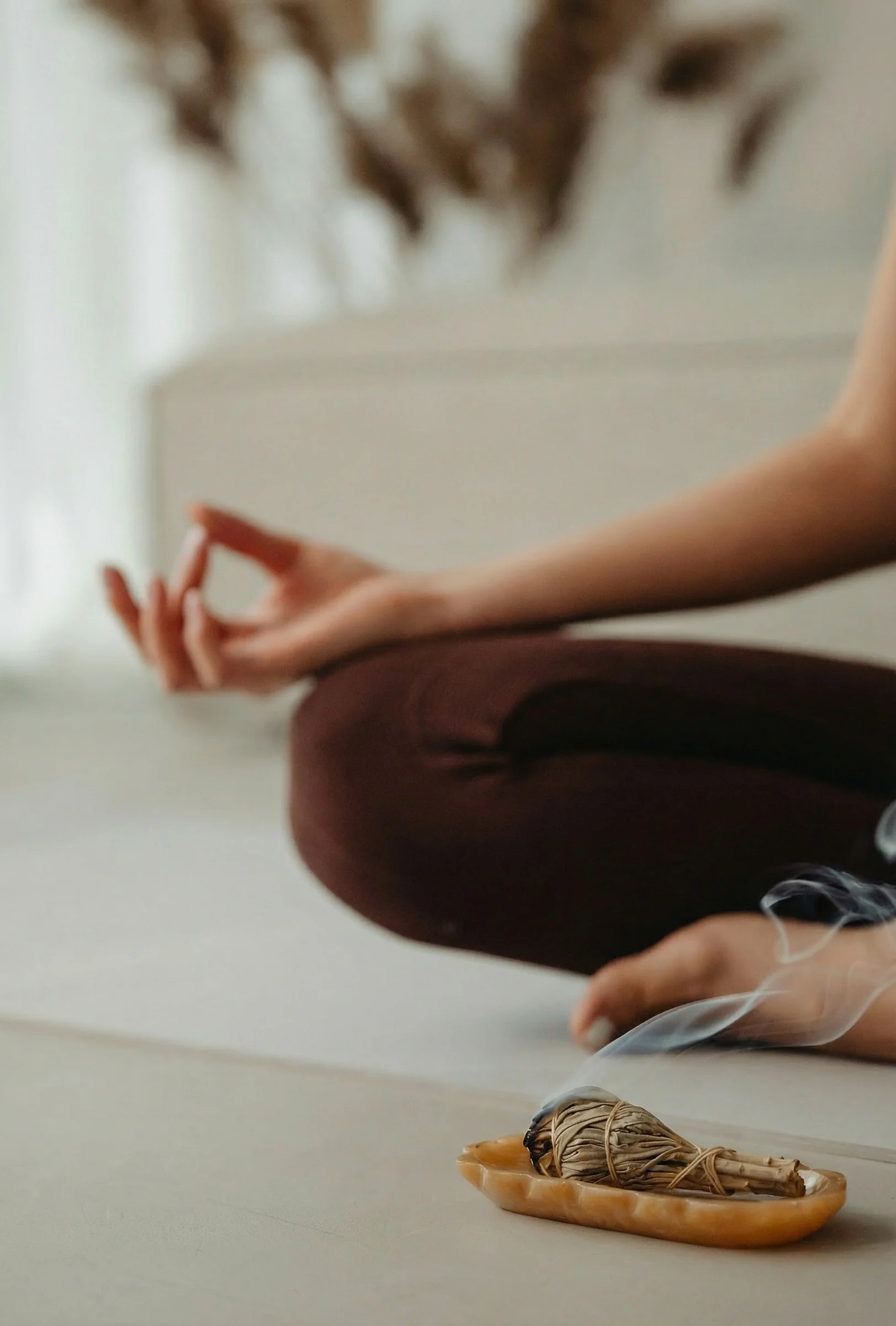
Aromatherapy for relaxation

There are some herbs listed which are used in aromatherapy and their uses:

Mindfulness

1. The raisin exercise

This is a great introductory exercise for beginners to start practicing mindfulness, since it can be attempted by anyone with any kind of food (although one with interesting or unusual texture, smell, or taste is best).

In this exercise, the facilitator provides participants with a few raisins and asks that they pretend they have never seen a raisin before. The facilitator then asks that the group pay careful attention to:

6 Fun mindfulness interventions, techniques, and worksheets for adults

There are several ways to engage in mindfulness on individual level, including worksheets, techniques, and different exercises.

If the idea of participating in group mindfulness exercises is anxiety-provoking or stressful for yourself or your clients then diving into mindfulness practice alone can be the best way to proceed. Here are 6 exercises which can help to build mindfulness in different ways:

1. The self-compassion pause

The Self-Compassion Pause guides the reader through exercise on practicing mindfulness and self-compassion.

It is ideal worksheet for many who struggle to show themselves compassion, even though they may be quick to extend compassion to others. It is also a great way to practise mindfulness by bringing awareness to emotions and staying moment with them.

While the last step may be the most difficult, it is also a very important one. It involves vocalising three statements:

2. Self-inquiry meditation

The Self-Inquiry Meditation is focused on self-inquiry, a technique used in meditation to gain enlightenment.

It begins the same way the self-compassion worksheet does, by jotting down the date and what area is the focus of awareness for the day.

Next, the worksheet offers a short description of self-inquiry and why it is worthwhile to practise it. Self-inquiry in everyday life can bring about a sense of peace and openness to experience, among other desirable outcomes.

To begin the exercise, follow these steps:

If you find yourself distracted by errant thought, bring your awareness back to yourself by asking “To whom is this thought occurring?”

This exercise can be continued for as long as desired. It is a difficult exercise as it requires the individual to focus on the self, which not many find enjoyable. If you are having trouble staying in your own head, try practising the self-compassion exercise first to make the experience more comfortable.

The goal of self-inquiry is to be aware of yourself and to bring awareness to the source of all that you are. It can be so easy to get lost in everyday tasks and distractions.

5. Mindful walking down the street technique

One core process, which can be influenced by mindfulness practise, is our ability to observe our thoughts emotions and sensations without reacting to fix them, hide them or solve them. This awareness creates room for choice between impulse and action which can help develop coping skills and positive changes.

1. As you were imagining, did you notice any of your thoughts?

2. As you were imagining, did you notice any of your emotions?

Progressive muscle relaxation for stress relief

Progressive muscle relaxation is another effective and widely used strategy for stress relief. It involves a two-step process in which you systematically tense and relax different muscle groups body.

With regular practice, progressive muscle relaxation gives you intimate familiarity with what tension — as well as complete relaxation — feels like in different parts of the body. This awareness helps you spot and counteract the first signs of the muscular tension that accompanies stress. And as your body relaxes, so will your mind. You can combine deep breathing with progressive muscle relaxation for additional level of relief from stress.

Progressive muscle relaxation sequence

Most progressive muscle relaxation practitioners start at the feet and work their way up to the face. Also:

Yoga for stress relief

Yoga is excellent stress relief technique. It involves a series of both moving and stationary poses, combined with deep breathing. The physical and mental benefits of yoga provide a natural counterbalance to stress, and strengthen the relaxation response in your daily life.

What type of yoga is best for stress?

Although almost all yoga classes end in a relaxation pose, classes that emphasise slow, steady movement and gentle stretching are best for stress relief. Look for labels like gentle , for stress relief , or for beginners . Power yoga, with its intense poses and focus on fitness, is not the best choice. If you’re unsure whether a specific yoga class is appropriate for stress relief, call the studio or ask the teacher.

Since injuries can happen when yoga is practised incorrectly, it’s best to learn by attending group classes or hiring a private teacher. Once you’ve learned the basics, you can practise alone or with others, tailoring your practise as you see fit.

Tips for starting a yoga practice:

Consider your fitness level and any medical issues before joining a yoga class. There are many yoga classes for different needs, such as prenatal yoga, yoga for seniors, and adaptive yoga (modified yoga for disabilities). “Hot” or Bikram yoga, which is practised in a heated environment, might be too much if you are just starting out.

Look for a low-pressure environment where you can learn at your own pace. Don’t extend yourself beyond what feels comfortable, and always back off of a pose at the first sign of pain. A good teacher can show you alternate poses for ones that are too challenging for your health or fitness level.

Tai chi for stress relief

If you’ve ever seen a group of people park, slowly moving in sync, you’ve probably witnessed tai chi. Tai chi is a self-paced, non-competitive series of slow, flowing body movements. These movements emphasise concentration, relaxation, and the conscious circulation of vital energy throughout the body. Though tai chi has its roots in martial arts, today it is primarily practised as a way of calming the mind, conditioning the body, and reducing stress. As in meditation, tai chi practitioners focus on their breathing and keeping their attention present moment.

Tai chi is a safe, low-impact option for people of all ages and levels of fitness, including older adults and those recovering from injuries. Once you’ve learned the moves, you can practise it anywhere, at any time, by yourself, or with others.

Making tai chi work for you

As with yoga, tai chi is best learned in a class or from a private instructor.

Although tai chi is normally very safe and gentle, be sure to discuss any health or mobility concerns with your instructor.

Tai chi classes are often offered in community centres, senior centres, or local community colleges.

Deep breathing for stress relief

With its focus on full, cleansing breaths, deep breathing is a simple, yet powerful, relaxation technique. It’s easy to learn, can be practiced almost anywhere, and provides a quick way to get your stress levels in check. Deep breathing is the cornerstone of many other relaxation practices, too, and can be combined with other relaxing elements such as aromatherapy and music. All you really need is a few minutes and a place to stretch out.

How to practice deep breathing

The key to deep breathing is to breathe deeply from the abdomen, getting as much fresh air as possible in your lungs. When you take deep breaths from the abdomen, rather than shallow breaths from your upper chest, you inhale more oxygen. The more oxygen you get, the less tense, short of breath, and anxious you feel. So the next time you feel stressed, take a minute to slow down and breathe deeply:

If you have a hard time breathing from your abdomen while sitting up, try lying on the floor. Put a small book on your stomach, and try to breathe so that the book rises as you inhale and falls as you exhale.